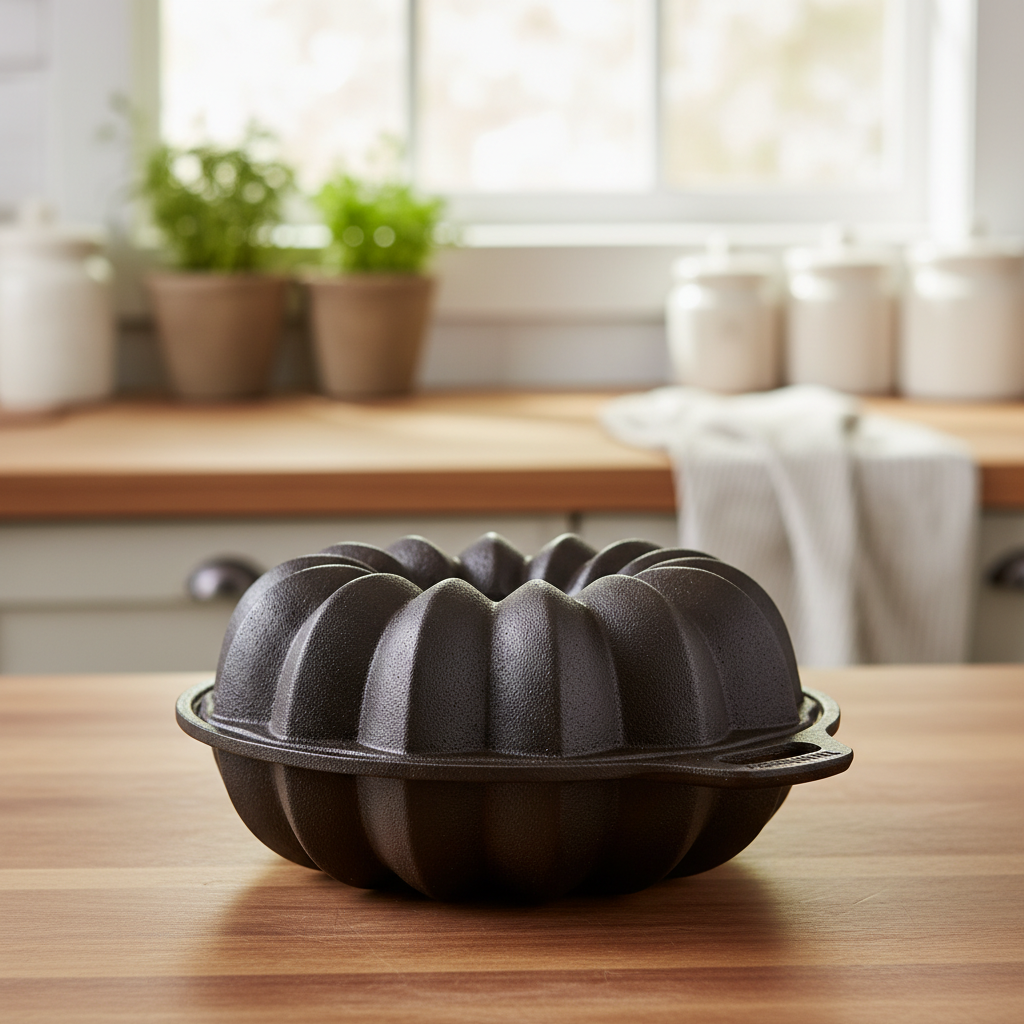
The culinary world is witnessing a significant resurgence in traditional cookware, with the black iron griddle standing at the forefront of this movement. As professional chefs and home cooks alike move away from synthetic non-stick coatings, the demand for durable, high-heat capable surfaces has surged, making the griddle an essential tool for achieving the perfect sear.
Beyond mere functionality, understanding the physics of heat retention and the chemistry of seasoning allows users to unlock the full potential of their equipment. Whether it is for high-volume commercial kitchens or artisanal home cooking, the right iron surface transforms raw ingredients into gastronomic experiences through superior Maillard reaction control.
In a global market increasingly focused on sustainability and "buy-it-for-life" consumption, the black iron griddle represents a marriage of ancestral wisdom and modern metallurgical precision, offering a timeless solution to the challenges of modern food preparation.
Global Relevance of Black Iron Griddles
Across the globe, the reliance on high-density thermal conductors is critical for food security and commercial efficiency. The black iron griddle is not merely a pan but a piece of industrial equipment that enables precise temperature management. According to ISO standards for kitchenware, the ability to maintain a steady heat flux is what separates professional-grade gear from consumer-level products.
In emerging markets and established culinary hubs alike, the challenge has always been finding a balance between cost-efficiency and longevity. The shift toward iron-based solutions addresses the environmental crisis caused by the short lifecycle of PTFE-coated pans, providing a sustainable alternative that actually improves with age and usage.
Defining the Black Iron Griddle in Modern Cooking
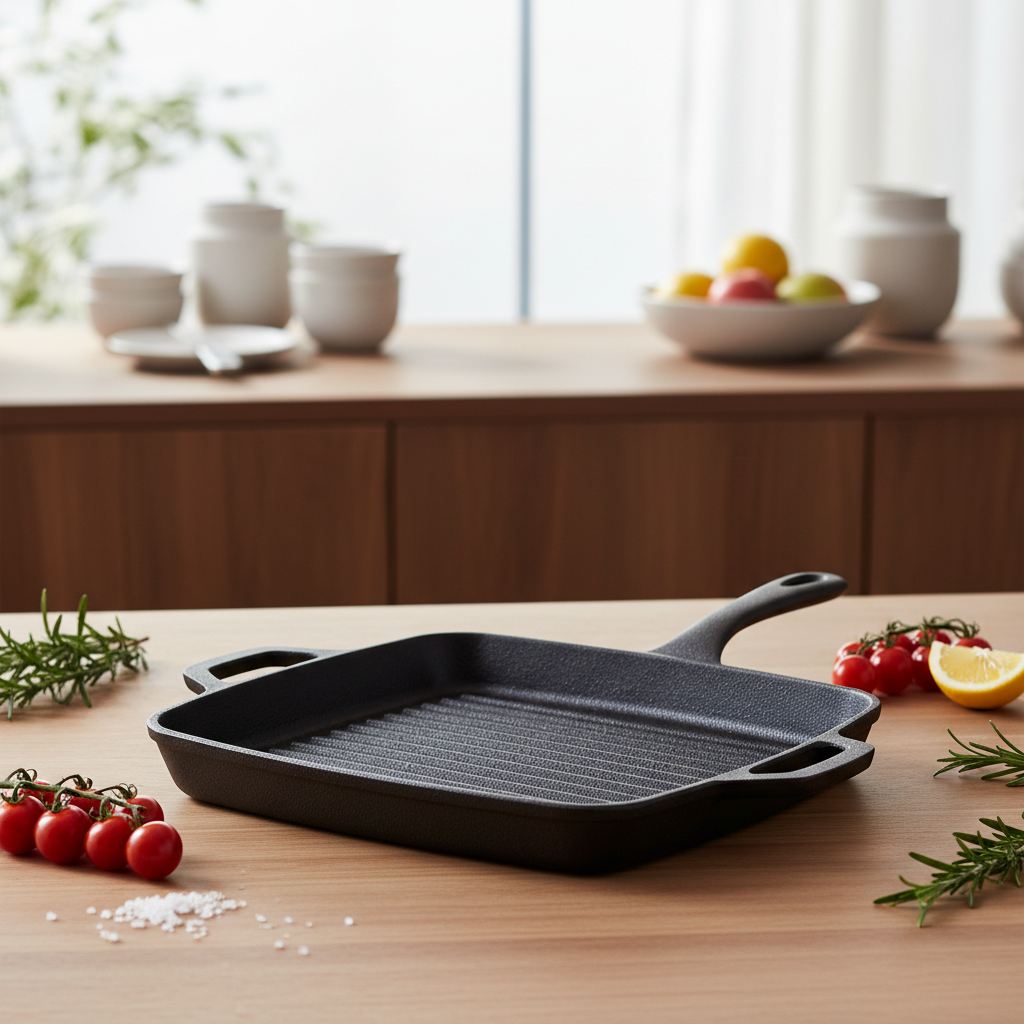
At its simplest, a black iron griddle is a heavy, flat cooking surface typically made from cast iron or carbon steel, treated through a process called seasoning. This seasoning—a polymerization of fats—creates a natural, non-stick patina that protects the metal from oxidation while enhancing the flavor profile of the food.
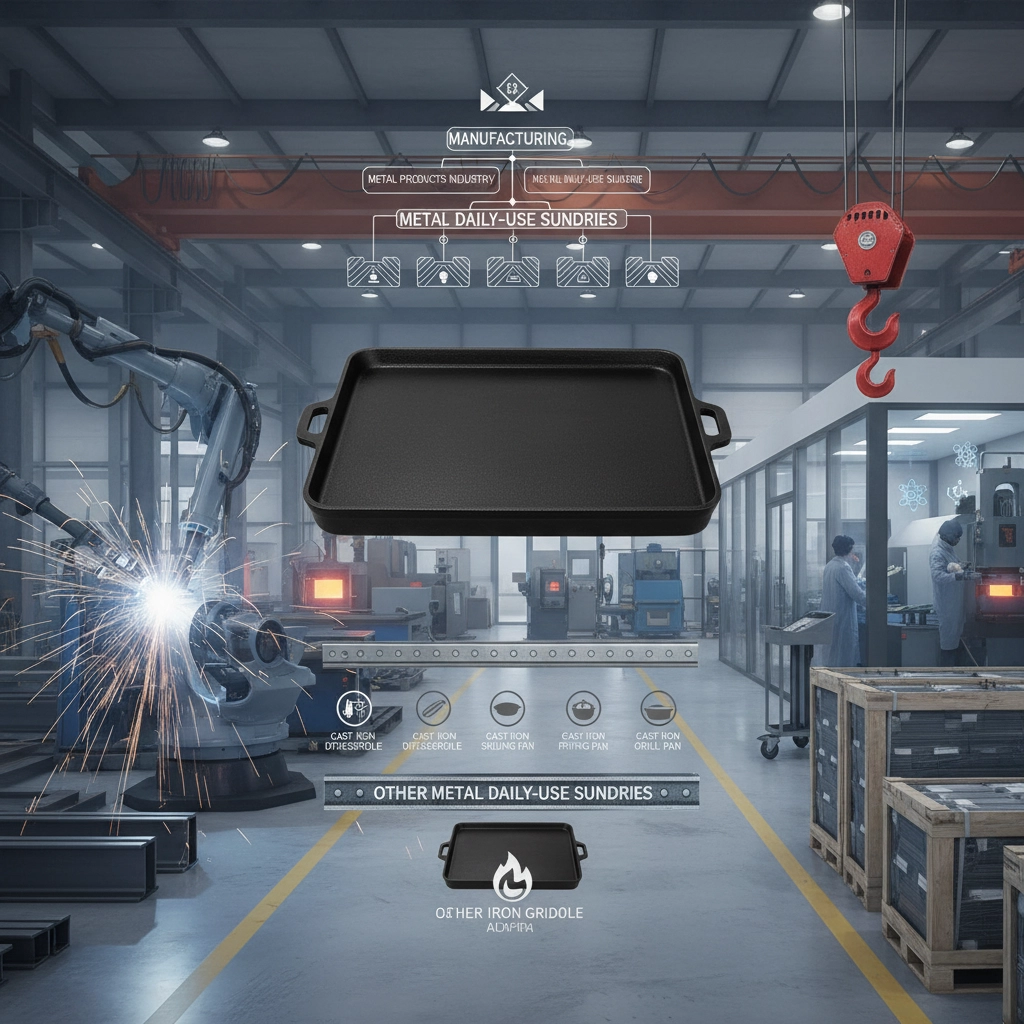
In the context of modern industry, these griddles are engineered to handle extreme thermal stress without warping. This makes them indispensable in "fast-casual" dining sectors where the speed of heat recovery is the primary bottleneck for production. The "black" in the description often refers to both the iron's natural state after pre-seasoning and the deep obsidian hue it acquires over years of professional use.
Beyond the kitchen, the principles of iron griddle manufacturing intersect with humanitarian needs, specifically in creating low-cost, high-durability cooking solutions for disaster-relief camps. Because they require no electricity to maintain heat and can be used over open flames, they are the gold standard for resilience in rugged environments.
Core Components of High-Performance Griddles
The durability of a black iron griddle is determined by its carbon content and the casting process. High-quality griddles utilize a refined smelting process to minimize air pockets (voids) within the metal, ensuring that heat travels evenly across the entire surface without creating "hot spots" that burn food.
Thermal Scalability is another key factor. A professional black iron griddle is designed to scale its heat absorption based on the load; whether searing a single steak or fifty pancakes, the mass of the iron acts as a thermal battery, preventing the temperature drops that typically plague thinner aluminum alternatives.
Finally, the surface porosity plays a vital role. While seemingly smooth, the microscopic texture of a black iron griddle allows oils to bond more effectively during the seasoning process. This chemical bond is what provides the legendary "slick" surface that professional chefs rely on for egg-flipping and delicate searing.
Practical Applications Across Global Industries
In the commercial sector, the black iron griddle is the engine of the breakfast and brunch industry. From North American diners to European cafes, the ability to cook multiple different items—eggs, bacon, and pancakes—simultaneously on one surface optimizes labor and energy consumption.
In more specialized contexts, such as remote industrial zones or open-air festivals, these griddles provide a reliable way to feed large populations. Their robustness means they can be transported across rough terrain and used over charcoal or gas burners without the risk of structural failure, ensuring food safety and efficiency in the most challenging conditions.
Performance Comparison of Iron Griddle Variants
Long-Term Value and Sustainability Benefits
The economic value of a black iron griddle is realized over decades, not years. Unlike modern non-stick pans that must be replaced every 2-3 years due to coating degradation, a well-maintained iron griddle can literally last for generations. This drastically reduces the waste stream of the hospitality industry.
From a health and safety perspective, the elimination of PFOA and PFAS chemicals found in traditional non-stick coatings provides peace of mind. Furthermore, cooking with iron can naturally supplement dietary iron intake, adding a hidden nutritional benefit to every meal prepared on the surface.
Future Trends in Iron Cookware Innovation
The future of the black iron griddle lies in the integration of advanced metallurgy and digital thermal monitoring. We are seeing the rise of "smart iron," where infrared sensors are embedded into the cooking surface to provide real-time temperature data to the chef via smartphone apps, eliminating guesswork.
Sustainability is also driving innovation in the smelting process. Many manufacturers are moving toward induction-optimized iron bases, allowing griddles to work seamlessly with green-energy induction hobs, which are significantly more energy-efficient than traditional gas ranges.
Additionally, there is a trend toward "nano-seasoning," where factory-applied polymer coatings are engineered at a molecular level to provide an instant, high-durability non-stick surface that doesn't require the traditional break-in period, making professional-grade iron more accessible to the average home cook.
Overcoming Common Challenges in Griddle Maintenance
The most common complaint regarding the black iron griddle is the fear of rust. Oxidation occurs when moisture penetrates the seasoning layer. However, the solution is simple: a thin layer of flaxseed or grapeseed oil applied after each use creates a hydrophobic barrier that prevents water from reaching the raw metal.
Another challenge is the weight of the equipment, which can make cleaning difficult. The industry solution has been the development of modular griddles—larger surfaces split into manageable sections that can be cleaned individually without requiring industrial-sized sinks.
Finally, "seasoning strip" (where the non-stick layer peels) is often caused by using harsh soaps. Expert insight suggests using a salt-scrub method—using coarse sea salt and a brush—to remove food debris without stripping the polymerized oil layer, ensuring the griddle remains slick and efficient.
Comprehensive Maintenance and Performance Analysis of Iron Griddles
| Maintenance Aspect |
Common Error |
Expert Solution |
Efficiency Score (1-10) |
| Rust Prevention |
Leaving wet on surface |
Immediate oil wipe-down |
10 |
| Seasoning Build-up |
Over-oiling the pan |
High-heat polymerization |
8 |
| Food Adhesion |
Cooking at too low temp |
Pre-heating to 350°F+ |
9 |
| Surface Cleaning |
Using steel wool/soap |
Coarse salt scrubbing |
7 |
| Heat Distribution |
Using thin-walled pans |
Selecting heavy cast iron |
10 |
| Storage |
Stacking without barriers |
Using felt or paper liners |
8 |
FAQS
A properly seasoned griddle will have a smooth, slightly glossy black finish and food—particularly eggs or delicate fish—should slide across the surface with minimal oil. If you see grey patches or food sticks persistently, it is a sign that the polymerization layer is too thin and requires another round of oiling and high-heat baking.
Yes, because black iron is ferromagnetic, it is naturally compatible with induction technology. However, ensure the bottom of your griddle is perfectly flat to maximize the connection with the induction coil, which ensures the most efficient heat transfer and prevents energy waste.
For high-heat searing and long-term value, yes. While Teflon is easier to clean initially, it cannot handle high temperatures (releasing toxic fumes above 500°F) and wears out quickly. The iron griddle offers superior heat retention and becomes more non-stick over time, making it a healthier and more sustainable choice.
The best method is to use a wire brush or steel wool to scrub away the surface rust, then wash with mild soap and water. Immediately dry the griddle on a stovetop to remove all moisture, apply a thin layer of oil, and bake it in the oven at 450°F for one hour to re-establish the protective seasoning.
You want an oil with a high smoke point. Grapeseed oil, flaxseed oil, and canola oil are excellent choices. Avoid butter or extra virgin olive oil for the actual seasoning process, as their low smoke points cause them to burn and flake rather than polymerize into a hard, plastic-like film.
Yes, but with caution. In a well-seasoned griddle, the patina protects the metal from acid. However, simmering acidic sauces for hours can strip the seasoning. For quick searing or grilling of acidic ingredients, a black iron griddle is perfectly safe and effective.
Conclusion
The black iron griddle remains an unparalleled tool in the culinary arsenal, blending thermal efficiency, extreme durability, and environmental sustainability. By mastering the art of seasoning and maintenance, users can transition from disposable cookware to a lifetime investment that enhances the flavor and quality of every meal.
As we move toward a future of smarter, greener kitchens, the reliance on high-quality iron will only grow. We encourage professionals and home enthusiasts to embrace the reliability of cast iron to achieve commercial-grade results. For those seeking the pinnacle of ironware engineering, visit our website: www.foundryasia.com